
Start with the lease
Your make good obligations live in the lease. What you owe at the end of the tenancy comes down to what the lease says, what the landlord requires, and the condition report agreed for the space when you moved in.
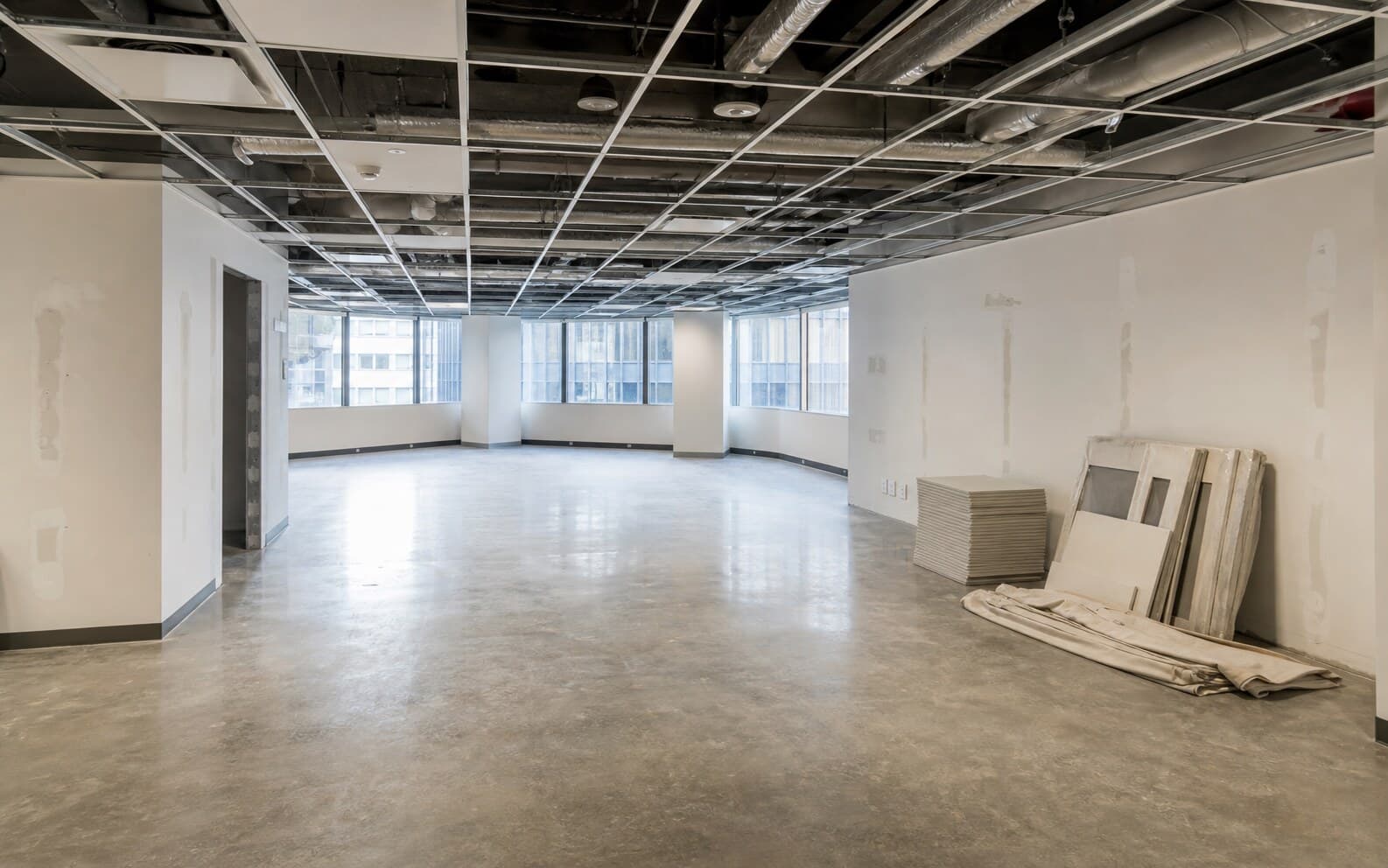
Before anyone lifts a tool, get those three things straight: what has to come out, what's allowed to stay, and the condition the space has to be handed back in. Pin that down first and the rest of the work follows cleanly.
- The make good clause in your lease
- Any schedule of condition from when you moved in
- What has to be removed, kept, or put back
- The condition the space has to be returned to
Common make good items
Most make good jobs cover the same ground: stripping out partitions, joinery, signage, workstations, fixtures, and selected cabling and floor finishes, then patching and repainting whatever the removal leaves behind.
Depending on the original fitout, you may also be on the hook for ceilings, services, flooring, walls, doors, and base building items. The original fitout decides how far it goes.
- Removing partitions, joinery, and signage
- Workstations, fixtures, and selected cabling
- Lifting floor finishes and patching the repairs
- Repainting, and putting ceilings or services back
Plan the handover
The jobs that go smoothly are the ones where the work, the site access, the waste removal, and the inspection are all worked out before anyone starts. Sort those upfront and you avoid the last-minute scramble that costs tenants money.
The handover date is what drives a good make good job. We work the program back from it from day one, so you hand the keys back clean and on time rather than fighting over a punch list at the end.
- An agreed list of works checked against the lease
- A site access and waste-removal plan
- A handover and inspection process
- The handover date driving the program